
TL;DR: A Morel Lavallee lesion is a rare soft tissue injury in which the skin and fat are torn away from the tissue underneath, leaving a pocket that fills with blood and fluid. It is often missed at first because the skin can look almost normal, and a late diagnosis can lead to infection, repeat procedures, and a harder insurance claim.
A Morel Lavallee lesion is a closed degloving injury. A strong sliding or shearing force separates the skin and the fat beneath it from the firm layer of tissue covering the muscle. The skin stays unbroken, but underneath it a hidden pocket forms and fills with blood, lymph fluid, and broken-down fat.
As of 2026, this injury is still unfamiliar to many patients and even to some medical providers. It was first described by French surgeon Maurice Morel Lavallee in the 1800s, and it most often appears over the outer hip and thigh after high energy accidents. Medical studies have reported that a meaningful share of these lesions are missed at the first exam, in some reports as many as about one in three.
What Is a Morel Lavallee Lesion?
A Morel Lavallee lesion is a pocket of fluid trapped under the skin after a shearing force pulls the skin and fat away from the muscle covering below. Think of peeling a sticker partway off a table without tearing it. The top layer still looks whole, but there is now a gap underneath.
When that gap forms, small blood vessels and lymph vessels that crossed it are torn. Blood and fluid leak into the space. Tiny nerves that supply the skin are torn too, which is why the skin over the area can feel numb. Over weeks, the body may build a thin wall around the pocket, called a capsule. Once that capsule forms, the fluid tends to keep coming back even after it is drained.
The most common locations include:
- The outer hip and upper thigh, which is the most common spot
- The pelvis and buttocks
- The lower back
- The knee, including the front of the knee
- The lower leg, less often
How Does a Morel Lavallee Lesion Happen in an Accident?
A Morel Lavallee lesion happens in an accident when a hard blow combined with a sliding or grinding force drags the skin across the deeper tissue, shearing the layers apart. It is less about how hard something hits and more about the skin being pulled sideways at the same time.
| Type of accident | How the shearing force happens |
|---|---|
| Pedestrian struck by a vehicle | The body is hit and then slides across the pavement, dragging the skin over the hip or thigh |
| Motorcycle and bicycle crashes | The rider lands and skids along the road on one side |
| Car crashes | The hip or thigh is slammed and twisted against the door, console, or dashboard |
| Run over or pinned injuries | A wheel or heavy object rolls or drags across a limb |
| Falls on hard surfaces | A person lands and slides on concrete, stairs, or a work platform |
The common thread is impact plus sliding. That is why these lesions often show up alongside pelvic fractures, hip fractures, and road rash, and why they are easy to overlook when those injuries are getting all of the attention.
Why a Morel Lavallee Lesion Is Often Missed
A Morel Lavallee lesion is often missed because the skin over it may look normal, the swelling can take days to appear, and doctors in the emergency room are usually focused on more urgent injuries like fractures or bleeding inside the body.
Several things work against an early diagnosis:
- Bigger injuries come first. A broken pelvis or hip understandably takes priority, and a soft area over the thigh can be written off as a bruise.
- The swelling can show up late. Fluid can collect slowly, so the swelling may not be obvious until days or even weeks after the accident.
- Standard X rays do not show it. X rays show bones, not fluid pockets under the skin.
- It gets a more general label. The lesion may be labeled a hematoma, meaning a collection of blood, or a seroma, meaning a pocket of clear fluid, without the specific diagnosis.
A late diagnosis matters. The longer the pocket stays, the more likely a capsule forms, which makes the fluid come back again and again. In some cases, the skin above the pocket loses its blood supply and begins to die, or the fluid becomes infected. A problem that might have been handled with a wrap or drainage early on can turn into surgery later.
What Are the Symptoms of a Morel Lavallee Lesion?
The most common symptom of a Morel Lavallee lesion is a soft, squishy swelling that moves like a water balloon under the skin, usually over the hip, thigh, or knee, often with numbness in the skin on top of it. Check the area for these signs after an accident:
- A soft, wobbly swelling that feels like fluid moving under the skin
- Swelling that gets bigger over days or weeks instead of going down
- Numbness or less feeling in the skin over the swollen area
- Bruising, which may be spread out or may not appear at all
- Pain or tightness, especially when sitting, lying on that side, or walking
- Skin that looks shiny, stretched, darkened, or unusually cool, which can be a sign of skin damage
- Redness, warmth, fever, or drainage, which can mean infection and needs care right away
One helpful habit is to take a photo of the area every few days next to something for size, like a coin or a ruler. Photos show your doctor how the swelling is changing, and they create a clear record of how the injury developed after the accident.
How Is a Morel Lavallee Lesion Diagnosed and Treated?
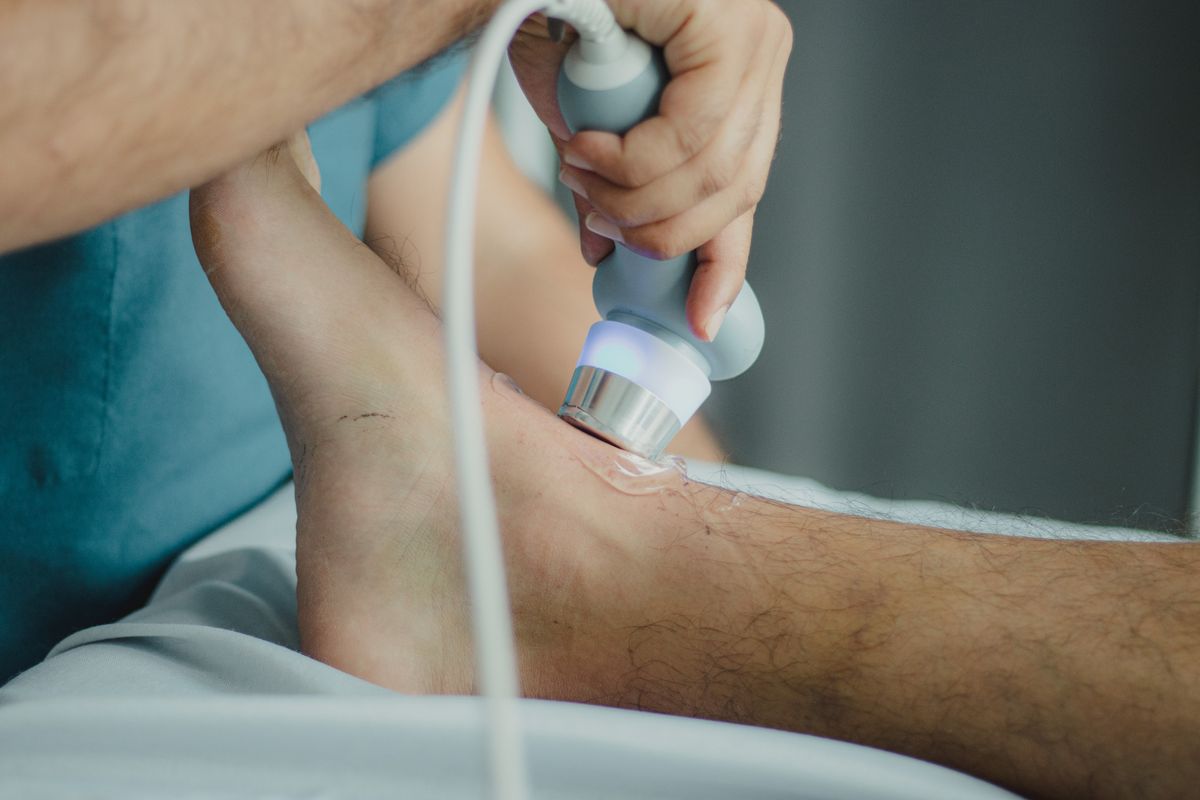
A Morel Lavallee lesion is usually diagnosed with an MRI or an ultrasound and treated with compression, needle drainage, medication injected into the pocket, or surgery, depending on its size, age, and whether a capsule has formed.
MRI is generally considered the best test because it shows the fluid pocket, whether a capsule has formed, and how the lesion relates to muscles and bones. Ultrasound is quick and helpful for finding fluid and guiding a needle. A CT scan may show the lesion when it is done to look for fractures after a serious crash.
Treatment often follows a step-by-step path:
- Compression: Small, early lesions may improve with a tight wrap or compression garment, rest, and close follow up.
- Drainage: A doctor uses a needle to drain the fluid, usually followed by compression. Some lesions come back and need more than one drainage.
- Injection to seal the pocket: For lesions that keep refilling, a doctor may inject a medication into the pocket that causes the walls to stick together and close the space. This is called sclerodesis.
- Surgery: Larger lesions, lesions with a thick capsule, infected lesions, or lesions near a fracture that needs repair may call for surgery to drain the pocket, clean out damaged tissue, remove the capsule, and place a drain.
Recovery can take weeks to months. Some people are left with a dent or change in the shape of the hip or thigh, surgical scars, lasting numbness, or a lesion that returns. These long-term effects are part of what makes the injury more than just a bad bruise.
Why a Rare Injury Can Be Harder to Prove in a Claim
A rare injury like a Morel Lavallee lesion can be harder to prove in a claim because insurance adjusters may not recognize it, may call it a simple bruise, or may argue that a swelling found weeks later has nothing to do with the accident.
The good news is that the specific name matters. If you searched for Morel Lavallee lesion, you already know more than many people who have this injury. A clear diagnosis in your medical records, backed by an MRI or ultrasound, turns a vague lump into a recognized trauma injury with a known cause. That is much harder for an insurance company to dismiss.
The link to the accident is the other key. Because these lesions often appear late, records that track the swelling from the first days forward help show it came from the crash. Emergency room notes that mention bruising or swelling on the hip, follow up visits, photos, and imaging dates all help build that timeline.
In New York, a person hurt in a car accident generally must show a serious injury under Insurance Law Section 5102(d) to sue for pain and suffering. The categories include significant disfigurement and significant limitation of use of a body function or system. A lesion that leaves a visible dent or large surgical scars, or that limits how someone walks or sits, may fit, depending on the facts and the medical proof.
Common Worries About a Morel Lavallee Lesion
Myth: It is just a bad bruise and will go away. Fact: Some small lesions do heal with compression, but many keep refilling or grow over time. A swelling that is soft, fluid filled, and not shrinking should be checked with imaging.
Myth: The swelling showed up weeks later, so it cannot be from the accident. Fact: Delayed appearance is a known feature of this injury. Fluid can collect slowly after the layers of tissue are torn.
Myth: If it was drained once, the problem is solved. Fact: These lesions often come back, especially once a capsule forms. Follow up care matters even after the first drainage.
Myth: I cannot afford to ask a lawyer about a strange injury like this. Fact: At Segal Law Firm, there is no fee unless we win, and a Free Case Evaluation costs nothing.
How Segal Law Firm Helps With Morel Lavallee Lesion Claims
Segal Law Firm helps people in New York with uncommon injuries like Morel Lavallee lesions make sure the injury is properly documented, connected to the accident, and valued for what it really costs over time. The firm handles car, truck, motorcycle, bicycle, pedestrian, and rideshare accident cases, along with fall and catastrophic injury cases, across the five boroughs and Long Island, including claims against the City of New York and the MTA.
Cases are handled by founding attorney Matthew B. Segal, a New York trial lawyer recognized by Super Lawyers, and attorney Aaron Tabak. Together they have recovered more than $50 million for injured New Yorkers, including a $6.75 million recovery for a woman hurt in an NYC Transit bus crash with serious neck, back, knee, and hip injuries. Prior results do not guarantee a similar outcome. When an injury is rare and easy to overlook, having someone who takes the time to connect the medical record to the accident can make the difference in how seriously an insurer treats it.
Find Out Where You Stand After an Accident
If you or someone you love has a soft swelling that will not go away after an accident in New York, or a doctor has diagnosed a Morel Lavallee lesion, you do not have to figure out the next steps alone. Call Segal Law Firm at (646) 810-3337 or request a Free Case Evaluation on our contact page. There is no fee unless we win.
If you just want to know who to call if you ever need help, you can meet the firm in five minutes on the Meet Segal in 5 Minutes page.
Keep Reading
Two related guides cover the questions that usually come next: blunt force trauma you cannot always see and compartment syndrome after an accident.
Prefer a picture? Our visual guide to how a closed degloving injury forms lays out the same information at a glance.
Every case turns on its own facts. Tell us what happened in a free case evaluation with Segal Law Firm. There is no fee unless we win.
One last thing before you go. Accidents never happen at a convenient time, so take seven seconds to save Segal in your phone and our number is already there when you need it.
Related Articles
Blunt Force Trauma: The Injury You Cannot Always See But Can Always Feel
No cuts, no blood, just impact. Blunt force trauma is one of the most serious and misunderstood injuries there is, and the damage it does deep inside your body can change your life long after an accident. Here is what every New Yorker needs to know.
Compartment Syndrome After an Accident: A Medical Emergency You Cannot Ignore
Learn how compartment syndrome develops after an accident, the warning signs to watch for, why emergency surgery matters, and your legal options.
Get new articles like this by email
Join our list for plain-English New York injury law updates, new case results, and practical guidance from Matt Segal.