

TL;DR: Compartment syndrome is a dangerous buildup of pressure inside the body that can cause permanent nerve and muscle damage if it is not treated fast. Knowing the warning signs and getting emergency care right away can save your limb and your life.
Compartment syndrome happens when pressure builds up inside a muscle compartment after an injury, cutting off blood flow and threatening the muscles and nerves inside. This is not a wait and see injury. Without fast treatment, compartment syndrome can cause permanent nerve damage, loss of muscle function, or even the loss of a limb. As of 2026, this condition remains one of the most time sensitive injuries a person can suffer after a serious accident, and every hour without treatment increases the risk of lasting harm.
If you or someone you love is dealing with this injury after a crash or fall in New York, you are likely scared, in pain, and unsure whether the medical care you received was fast enough. This guide explains what causes compartment syndrome, the warning signs to watch for, what emergency treatment looks like, and what happens when a delayed diagnosis makes everything worse.
How Trauma Causes Compartment Syndrome
Compartment syndrome develops when swelling or bleeding inside a muscle compartment raises pressure to a point where blood can no longer reach the muscles and nerves. The body's muscles are divided into sections wrapped in a tough tissue casing. That casing does not stretch, so when swelling has nowhere to go, pressure builds instead.
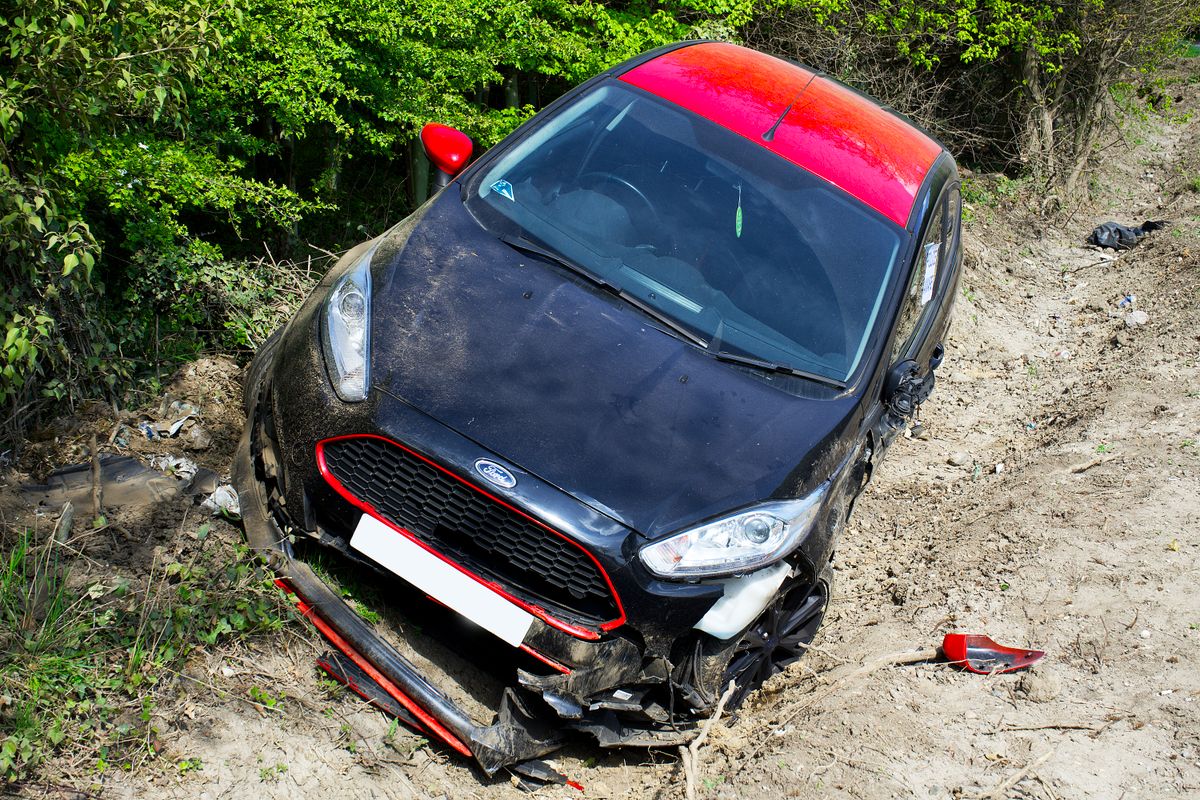
Picture a construction worker in Queens whose leg gets crushed under falling equipment. The impact causes internal bleeding and swelling inside the muscle compartment, and within hours the pressure starts cutting off circulation. Or think about a delivery driver in the Bronx involved in a serious motorcycle crash, whose lower leg is fractured and begins swelling rapidly inside the cast meant to protect it. Both situations can lead to the same emergency.
Compartment syndrome is most common after fractures, crush injuries, and severe soft tissue trauma, especially in the lower leg and forearm. It can also develop after a limb has been trapped or pinned for an extended period, or after a tight cast or bandage restricts swelling tissue that needs room to expand.
Warning Signs That Should Never Be Ignored
The clearest warning signs of compartment syndrome are pain that feels far worse than the injury should cause, tightness or swelling that keeps getting worse, and numbness or tingling in the affected limb. Doctors sometimes call these the early signs of the condition and catching them early can make the difference between recovery and permanent damage.
Pain is usually the first and most important signal. It is often described as deep, constant, and out of proportion to the visible injury, and it tends to get worse rather than better with rest or pain medication. Pain that increases when the affected muscle is stretched is a particularly important warning sign that should never be brushed off.
Other symptoms include a limb that feels unusually tight or swollen to the touch, tingling or a pins and needles feeling, and in more advanced cases, weakness or an inability to move the fingers or toes. Skin that looks pale or feels cool can also be a sign that blood flow has been cut off. Anyone experiencing these symptoms after an accident needs to get to an emergency room immediately, not wait to see if it improves on its own.
Why Emergency Surgery Is Often the Only Option
Emergency surgery called a fasciotomy is often the only way to relieve the pressure and save the muscles and nerves inside the affected compartment. During a fasciotomy, a surgeon cuts open the tissue casing around the muscle to release the buildup and restore blood flow.
Timing matters more with this injury than almost any other. Doctors generally consider the first six hours after symptoms begin to be the window where surgery offers the best chance of a full recovery. After that window closes, the risk of permanent muscle death and nerve damage rises quickly. In severe cases where treatment is delayed too long, amputation may become necessary to prevent life threatening complications from spreading through the body.
Recovery after a fasciotomy can involve wound care, physical therapy, and in some cases, additional surgery to close the incision once swelling goes down. For many patients, the road back to full strength and mobility takes months, and some are left with lasting nerve damage or scarring even after successful surgery.
When Delayed Diagnosis Turns Into a Legal Problem
A delayed diagnosis of compartment syndrome can turn a treatable emergency into a permanent disability, and when that delay is caused by a medical provider missing clear warning signs, it can become the basis of a legal claim. Compartment syndrome is considered one of the more well-known emergencies in orthopedic medicine, which means the warning signs should not be missed by a treating doctor or hospital staff.
Some people assume that because compartment syndrome is a medical condition, the accident that caused it is no longer relevant to their case. This is a common misconception. In most cases, compartment syndrome is a direct result of the original injury, whether that injury came from a car accident, a construction site accident, or a serious fall. The party responsible for causing the original trauma can be held accountable for all of the harm that followed, including complications like compartment syndrome, if their negligence caused the accident in the first place.
If a hospital or doctor failed to recognize the warning signs in time and the delay caused permanent damage that could have been avoided, a separate medical negligence issue may also come into play. These cases often involve reviewing medical records closely to determine exactly when symptoms were reported and how quickly they were acted on.
If you are dealing with lasting nerve damage, muscle loss, or a limb that never fully recovered after compartment syndrome, your case deserves a full review of both the accident that caused it and the medical care you received afterward. Segal Law Firm has experience helping New Yorkers document serious trauma cases like this one, from the original accident through every complication that followed.
Get Help Understanding Your Case
If you or someone you love is dealing with compartment syndrome after an accident in New York, you do not have to figure out what comes next on your own. Call Segal Law Firm at (646) 810-3337 for a free case evaluation or visit the Meet Segal in 5 Minutes page to get started.
Keep Reading
Two related guides cover the questions that usually come next: blunt force trauma you cannot always see and flail chest after an accident.
Prefer a picture? Our visual guide to the six hour window to save a limb lays out the same information at a glance.
Every case turns on its own facts. Tell us what happened in a free case evaluation with Segal Law Firm. There is no fee unless we win.
One last thing before you go. Accidents never happen at a convenient time, so take seven seconds to save Segal in your phone and our number is already there when you need it.
Related Articles
Blunt Force Trauma: The Injury You Cannot Always See But Can Always Feel
No cuts, no blood, just impact. Blunt force trauma is one of the most serious and misunderstood injuries there is, and the damage it does deep inside your body can change your life long after an accident. Here is what every New Yorker needs to know.
Flail Chest: What Is Flail Chest After an Accident and Is It Life Threatening?
Flail chest is a life-threatening condition that happens when three or more ribs in a row break in multiple places, leaving a section of the chest wall to collapse inward with every breath. Here is what causes it, how it is treated, and why a personal injury claim may be critical for your recovery.
Get new articles like this by email
Join our list for plain-English New York injury law updates, new case results, and practical guidance from Matt Segal.