

TL;DR: If a dog bites you in New York City, call 311 or animal control right away and get medical care, even if the wound looks small. That report becomes an important record for your health and for any injury claim you may need to file later.
If a dog bites you or someone you love, the first thing to do is call 311 or your local police precinct to report it, then get medical care as soon as possible. As of 2026, New York City handles dog bite reports through the Department of Health and animal control, and that report can matter just as much for your health as it does for your future. Even a bite that looks small can carry hidden risk of infection or nerve damage, and the official record you create in the first hours often becomes the foundation for everything that happens after.
A Bite Can Happen to Anyone Doing Their Job
Picture a delivery driver in Queens finishing a route, or a home health aide in the Bronx walking up to a client's door. A dog gets loose, and before anyone can react, there is a bite. It happens fast, and the shock of it can leave a person shaking long after the pain sets in. Workers across every borough face this risk simply doing their jobs on foot, on a bike, or checking a job site in Brooklyn or Manhattan. Knowing exactly who to call and what to say turns a frightening moment into a clear set of steps.
The Exact Steps to Report a Dog Bite in New York City
Reporting a dog bite follows a specific order, and skipping a step can leave gaps in your record later.
- Get to safety first and separate yourself from the dog.
- Call 911 if the injury is severe, or 311 for a standard report.
- Ask for the responding officer's badge number and a copy of any report filed.
- Get the dog owner's name, address, and phone number if it is safe to do so.
- Take photos of the injury and the location where it happened.
- Go to urgent care or an emergency room, even if the bite looks minor.
In New York City, animal bite reports also go to the Department of Health and Mental Hygiene, which tracks the dog to confirm it does not have rabies and is not a repeat danger to others nearby.
Myth Versus Fact on Reporting a Small Bite
Myth: A small bite does not need to be reported. Fact: Any bite that breaks the skin should be reported, since infection and nerve damage are not always visible right away. A bite that looks minor on day one can turn into a wound requiring skin grafts by day five if bacteria sets in untreated.
What Happens After You File the Report
Once the report is filed, animal control typically follows up with the owner to confirm the dog's vaccination status and to place it under a short observation period. Doctors treating the wound will also want the report number, since some injuries lead to complications similar to a degloving injury, where skin and tissue tear away from the muscle underneath, or to internal bleeding if the bite was deep and forceful. This paperwork trail is not just a formality. Segal Law Firm regularly sees cases where the original 311 report and hospital record were the two documents that made a compensation claim possible months later.
Addressing the Cost and Confrontation Worry
Many people hesitate to report a bite because they worry about the cost of a police visit or an awkward conversation with a neighbor who owns the dog. Reporting through 311 or a precinct does not cost the victim anything. Officers are trained to document the incident without requiring you to confront the owner directly, and a free consultation with a personal injury attorney about the incident is free as well. Waiting because of an uncomfortable relationship with the owner is one of the most common reasons injured New Yorkers miss the window to protect their claim.
Why the Report Matters for Lost Wages and Pain and Suffering
A delivery driver who cannot grip a steering wheel for two weeks after a bite loses real income. A construction worker who cannot climb a ladder because of a leg wound faces the same problem. The official report becomes the anchor document that ties the date, the location, and the medical outcome together, which matters directly when pursuing lost wages or pain and suffering compensation. Without it, an insurance company can question whether the injury even happened the way it is described.
Getting Help Near You in New York
If you are searching for support after an attack, you are not alone. Families and workers throughout Manhattan, Brooklyn, the Bronx, Queens, Long Island, and Staten Island trust Segal Law Firm because we understand both the medical side and the legal side of a dog bite claim. Our team helps clients gather the animal control report, the medical record, and any witness information from the very first call, so nothing gets left out later. If you are weighing whether to bring in an attorney, our guide to legal representation for dog bite injuries walks through when a claim is worth pursuing.
Take the Next Step Today
A dog bite can shake anyone's confidence, and dealing with pain, missed work, and medical bills on top of it is a lot to carry alone. Reporting the incident the right way protects your health and your right to fair compensation. Contact Segal Law Firm today for a free case evaluation and let our team walk you through every step, from the 311 call to the compensation you deserve.
Frequently Asked Questions
What number do I call to report a dog bite in New York City?
Call 911 for a severe injury or 311 for a standard dog bite report. The Department of Health and Mental Hygiene follows up on the report to check the dog's vaccination status.
Do I need to report a dog bite if the wound looks small?
Yes. Any bite that breaks the skin should be reported, since infection or nerve damage is not always visible right away, and the report protects both your health and any future claim.
Will reporting a dog bite cost me money?
No. Reporting through 311 or a police precinct is free, and a legal consultation about the incident with Segal Law Firm is also free.
What if I do not know the dog owner?
You can still file a report with 311 or the police. Animal control can often trace ownership through licensing records or witness information.
How does the report help with a legal claim later?
The report creates a dated, official record connecting the incident, the location, and the medical outcome, which is often the evidence that supports a claim for lost wages or pain and suffering.
What should I do if the bite requires stitches or surgery?
Go to an emergency room right away and keep every medical record. Deeper bites can involve nerve damage or wounds similar to a degloving injury, and documentation from the start strengthens both treatment and any later claim.
Do your future self a favor. Save Segal in your phone now. It takes seven seconds, and it means you are never scrambling for a lawyer's number at the worst possible moment.
Related Articles
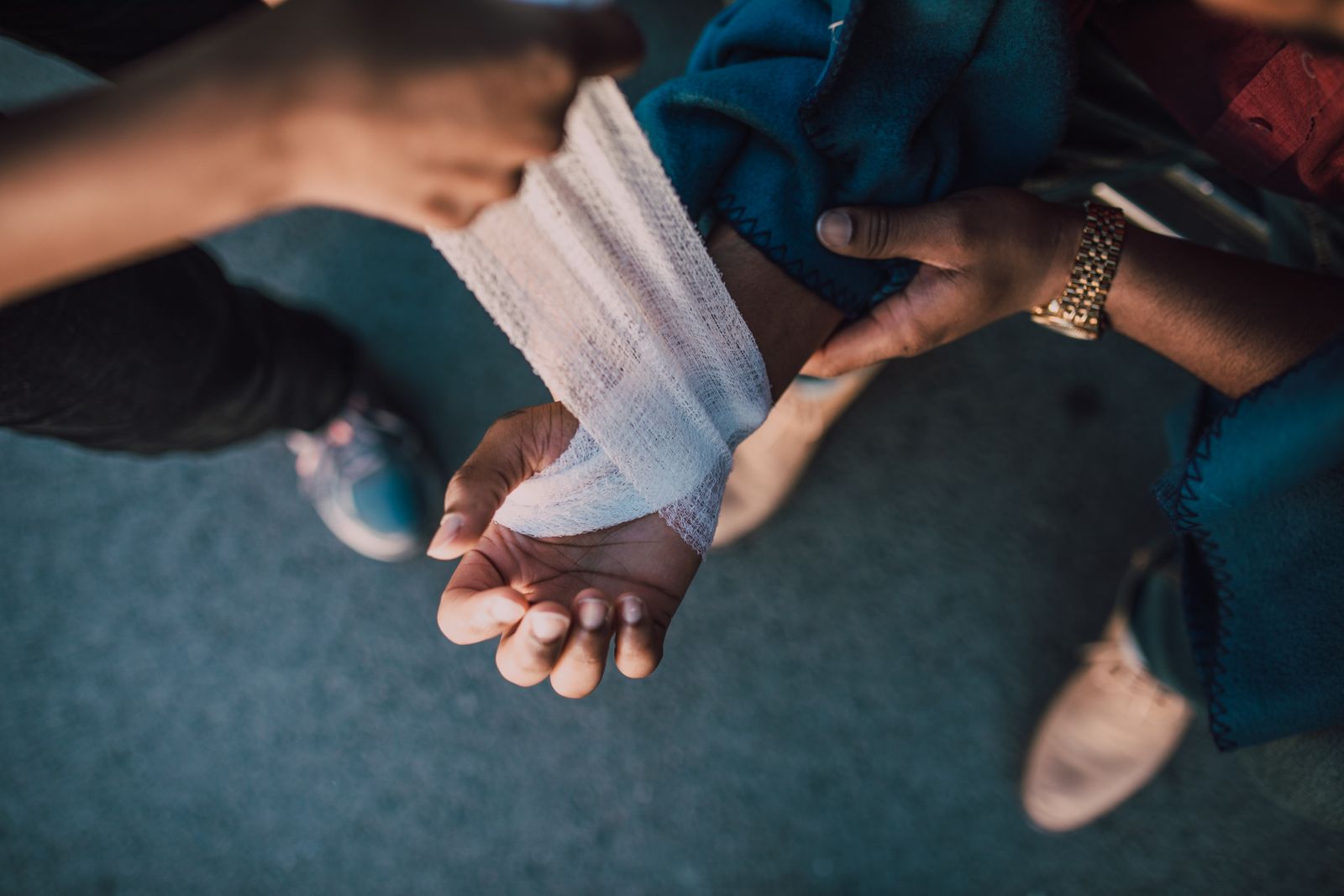
What Is a Degloving Hand Injury and How Serious Is It
A degloving hand injury is one of the most severe traumatic injuries a person can experience. It happens when the skin and soft tissue of the hand are forcibly torn away from the underlying muscle, tendons, and bone, and the road to recovery is long, expensive, and often life-changing.

Finding Legal Representation for Dog Bite Injuries
A dog attack can cost you your health and your paycheck. Here is how the right dog bite lawyer documents your injury, handles the insurance company, and fights for full compensation in New York, NY.
Get new articles like this by email
Join our list for plain-English New York injury law updates, new case results, and practical guidance from Matt Segal.